I. Executive Summary
The construction industry in Bangladesh stands as a primary engine of national economic development, propelled by a confluence of rapid urbanization, substantial government investment in mega-projects, and a resilient GDP growth trajectory. This report provides an exhaustive analysis of the steel building construction sector within this dynamic market, intended for investors, corporate strategists, and financial analysts seeking actionable intelligence.
The overall construction market, valued at approximately $25 billion in 2023, is on a steep upward curve, with forecasts projecting a market size of over $32 billion by 2025. This growth is underpinned by the government’s ambitious Annual Development Program, which channels billions into infrastructure, and the relentless demand for new residential and commercial spaces in burgeoning urban centers like Dhaka and Chittagong.
At the core of this expansion is the domestic steel industry, a BDT 55,000 crore ($6.2 billion) sector that serves as the backbone for modern infrastructure. Demand for steel is forecast to more than double by 2030, driven overwhelmingly by public sector projects. Within this landscape, Pre-Engineered Building (PEB) technology has emerged as a revolutionary force. Offering significant advantages in construction speed (up to 50% faster) and cost-efficiency, the PEB market has nearly doubled in recent years and is poised for continued aggressive growth. Local firms have capably captured 85-90% of this market, demonstrating significant domestic manufacturing prowess.
However, the industry faces formidable headwinds. A critical dependency on imported raw materials (over 85% of scrap metal) exposes the sector to global price volatility and severe supply chain disruptions. This vulnerability is acutely exacerbated by a persistent dollar crisis, which complicates the opening of Letters of Credit (LCs) and is compounded by rising domestic energy tariffs and interest rates. This confluence of factors has created a challenging operational environment, squeezing profit margins and dampening short-term demand.
From a technical and regulatory standpoint, the landscape is evolving. Steel structures, particularly steel-concrete composite systems, offer superior seismic performance and are proving more economical than traditional Reinforced Concrete Cement (RCC) for high-rise buildings—a crucial consideration in a seismically active region. The implementation of the Bangladesh National Building Code (BNBC) 2020 has significantly raised the bar for safety, mandating more stringent seismic and fire-resistance standards. While this enhances structural resilience, it also increases design complexity and construction costs, creating a higher barrier to entry that favors more sophisticated, professional firms.
Looking forward, the most significant opportunities lie at the intersection of technology and sustainability. The burgeoning green building movement, evidenced by Bangladesh’s global leadership in LEED-certified garment factories, presents a clear path for value creation. Stakeholders who can successfully integrate PEB technology with green building standards will be best positioned to capitalize on the market’s future trajectory.
This report concludes that while the Bangladesh steel construction market is fraught with macroeconomic and regulatory challenges, its fundamental growth drivers remain robust. Success for investors and market participants will hinge on navigating these risks through strategic local partnerships, focusing on high-growth niches like industrial PEB and green commercial buildings, and investing in the technological and human capital necessary to meet the country’s evolving construction needs.
II. Macro-Environment: The Bangladesh Construction Market
The construction sector in Bangladesh is a cornerstone of the nation’s economic progress, characterized by robust growth, significant government stimulus, and a dynamic response to demographic shifts. A comprehensive understanding of this macro-environment is essential for contextualizing the opportunities and challenges within the steel construction sub-sector.
Market Size and Growth Forecasts
The valuation of Bangladesh’s construction market reflects a strong upward trajectory. In 2023, the market size was estimated at approximately $25 billion.1 Projections indicate a substantial increase, with estimates reaching $32.33 billion in 2025 and further expanding to $46.96 billion by 2030.1
Forecasting the market’s growth rate reveals some variation across different analyses, largely attributable to differing methodologies and the currency used for valuation.
- USD-Based Forecast: One set of analyses projects a Compound Annual Growth Rate (CAGR) of 6.42% for the period of 2025 to 2033.1 This figure provides a conservative estimate of real growth, factoring out some of the local macroeconomic effects.
- BDT-Based Forecast: Other reports, valuing the market in the local currency, project a more aggressive annual growth of 10.4% to reach BDT 4.58 trillion (approximately $39 billion) in 2025. These forecasts anticipate a continued CAGR of 9.7% from 2025 to 2029, with the market expanding from BDT 4.15 trillion in 2024 to BDT 7.27 trillion by 2029.3
The discrepancy between these growth rates is significant. The higher BDT-denominated figures reflect the acute impact of recent domestic economic conditions, including high inflation and a significant devaluation of the Taka, which has lost nearly 47% of its value against the US dollar in recent years.5 For foreign investors and stakeholders, this highlights a crucial consideration: while the underlying demand and activity in the construction sector are undeniably strong, currency volatility presents a material risk that must be factored into financial models and market-entry strategies. The real growth in terms of physical output and value likely lies between these two figures, with the BDT value being inflated by macroeconomic pressures.
| Metric | Value (2023) | Projected Value (2025) | Forecasted CAGR (2025-2033) | Key Data Sources |
| Overall Market Size (USD) | ~$25 Billion | ~$32.33 Billion | 6.42% | 1 |
| Overall Market Size (BDT) | ~BDT 3.0 Trillion | ~BDT 4.58 Trillion | 9.7% (2025-2029) | 3 |
| Residential Sector | Highly Fragmented | Driven by Urbanization & Rising Incomes | Moderate Growth | 1 |
| Commercial Sector | Moderately Concentrated | Demand for High-Rises, Offices | Strong Growth | 1 |
| Industrial Sector | Growing Interest in PEB | Expansion of Economic Zones | High Growth | 1 |
| Infrastructure Sector | Highly Concentrated | Dominated by Government Mega-Projects | Very High Growth | 1 |
| Key Drivers | Government Spending, Urbanization, FDI, Economic Growth | |||
| Key Restraints | Raw Material Dependency, Dollar Crisis, Skilled Labor Shortage, Infrastructure Limits | |||
Key Economic Drivers and Catalysts
The construction market’s expansion is not speculative; it is fueled by powerful, long-term economic and demographic forces.
- Government Infrastructure Spending: The government is the primary engine of growth, acting as the largest client for the construction industry. The Annual Development Program (ADP) for the fiscal year 2022 saw an allocation of BDT 225,324 crore ($26.28 billion), a substantial portion of which is directed towards infrastructure.2 These investments are focused on transformative mega-projects, including roads, bridges, metro rail systems, and power plants, which create immense demand for construction services and materials like steel and cement.1 To meet future electricity demand, which is estimated to reach 40 GW by 2030, the government plans to invest $70 billion in the power sector by 2035.2
- Rapid Urbanization: Bangladesh is experiencing one of the world’s most significant rural-to-urban population shifts. This mass migration is creating unprecedented demand for housing, commercial spaces, and supporting urban infrastructure.1 The highest concentration of construction activity is centered in the capital, Dhaka, followed by other major economic hubs like Chittagong and Khulna.1
- Economic Growth and Foreign Direct Investment (FDI): Despite recent global and domestic economic headwinds, Bangladesh’s continued GDP growth provides a positive long-term outlook for the construction sector.1 The real estate sector alone contributed a significant 7.93% to the nation’s GDP in the 2022-23 fiscal year.2 This sustained economic expansion, coupled with increasing FDI, fuels private sector investment in real estate and industrial facilities, further bolstering construction demand.
Sectoral Breakdown
The construction market is not monolithic; it comprises several distinct segments, each with its own market structure and characteristics.
- Infrastructure Development: This segment, encompassing projects like roads, bridges, and power plants, is characterized by a high concentration of large, established firms. These projects are typically capital-intensive and often involve government tenders or public-private partnerships (PPPs).1 This structure presents high barriers to entry but offers the largest-scale opportunities.
- High-Rise and Commercial Construction: The market for high-rise buildings is moderately concentrated, featuring a mix of large and medium-sized players capable of handling complex projects.1
- Residential Construction: This segment is highly fragmented, with a vast number of small and medium-sized enterprises (SMEs) catering to individual and small-scale development projects. This fragmentation is a direct result of widespread private homeownership initiatives driven by rising disposable incomes.1
This varied market structure necessitates different strategies for engagement. Large international firms may find the infrastructure and high-rise segments most attractive, whereas suppliers of building materials and smaller contractors can thrive in the more fragmented residential market.
III. The Steel Industry: Backbone of Modern Construction
The steel industry in Bangladesh is intrinsically linked to the nation’s development narrative. It serves as the fundamental material for the infrastructure and buildings that are reshaping the country’s economic landscape. From a nascent industry at independence, it has grown into a major economic contributor, supporting critical sectors like transportation, energy, and construction with essential products such as reinforcing bars (rebar), angles, and beams.6
Market Analysis and Consumption Trends
The domestic steel market has demonstrated remarkable growth, expanding by 15-20% in recent years to a current market size estimated between BDT 45,000 crore and BDT 55,000 crore ($5.1 billion to $6.2 billion).6 This growth is a direct reflection of the country’s construction boom.
- Production and Consumption: The country hosts approximately 400 steel mills with a combined production capacity of around 9 million metric tons (MT) per year. Of this, annual consumption is approximately 7 to 8 million MT, indicating a healthy utilization rate and a market primarily focused on domestic needs.6
- Demand Segmentation: The government is the principal consumer of steel, with public sector projects accounting for a commanding 60% of total usage. The remaining demand is split between the household sector (25%) for residential construction and the private commercial sector (15%).6 This heavy reliance on government projects makes the industry’s health closely tied to the state’s development agenda and fiscal policy.
- Growth Trajectory: The demand for steel is on an exponential growth path. From just 1.6 million MT a decade ago, demand reached 7 million MT in 2018 and is forecast to surge to 18 million MT by 2030.6 This is mirrored in per capita consumption, which rose from 25 kg in 2012 to 45 kg in 2020 and is projected to exceed 100 kg by 2030.6 While this represents significant growth, it is important to note that Bangladesh’s per capita consumption remains well below the global average of 208 kg and that of neighboring India (87 kg), indicating substantial room for future expansion.5
Heavy Structural Steel in Mega-Projects
Heavy structural steel is the critical input for the nation’s most ambitious infrastructure undertakings. The ability of local manufacturers to produce world-class steel has been a key enabler for these complex projects, reducing reliance on imports and building domestic industrial capacity.6
- Key Applications: Major applications include metro-rail stations, airport terminals (such as the third terminal at Dhaka’s Hazrat Shahjalal International Airport), and power plants (like the Rooppur Nuclear Power Plant).7 In these large-scale projects, steel structures can account for as much as 30% of the total project cost.10
- Case Study: The Padma Multipurpose Bridge: The Padma Bridge, a 6.15 km two-level road-rail bridge, stands as a monumental testament to the application of heavy structural steel in Bangladesh.11 The bridge’s superstructure is a steel truss design, chosen for its lightweight properties, which reduced the number of required foundation piles and lowered the overall cost compared to a concrete alternative.13 The project involved several engineering feats, including the installation of the world’s longest and deepest tubular steel piles, each 3 meters in diameter and driven over 122 meters into the riverbed to withstand immense scouring forces.12 The main bridge consists of 41 prefabricated steel truss modules, each spanning 150 meters and weighing over 3,000 tons.14
The project consumed a total of 100,000 tonnes of steel rod, with local manufacturer BSRM supplying 86% of this demand. This included custom-manufactured 40mm and 50mm rods, a first for the subcontinent, demonstrating the advanced capabilities of the domestic industry.16 The successful execution of the Padma Bridge, using locally sourced steel certified by international engineers, has solidified the reputation of Bangladesh’s steel sector and its capacity to support future mega-projects.
Industry Challenges: Supply Chain and Economics
Despite its growth and strategic importance, the steel industry is navigating a period of intense economic pressure, caught in a cycle of external shocks and domestic constraints.
- Critical Import Dependency: The industry’s most significant structural vulnerability is its profound reliance on imported raw materials. Over 85% of its primary input, scrap metal, is imported, primarily from the US, Europe, and Japan.5 The domestic shipbreaking industry, while a source of scrap, is insufficient to meet the massive demand from steel mills.18 This dependency exposes the entire sector to global commodity price fluctuations and supply chain disruptions.
- Macroeconomic Headwinds and the Vicious Cycle: The industry is currently ensnared in a damaging economic feedback loop.
- The Dollar Crisis: A persistent shortage of US dollars in the national economy makes it extremely difficult for manufacturers to open Letters of Credit (LCs), which are essential for importing scrap metal.5 Banks are often unable to facilitate these transactions, leading directly to a scarcity of raw materials and disruptions in the production pipeline.
- Rising Production Costs: Simultaneously, domestic operational costs have surged. The government has hiked power and gas tariffs, increasing the cost of melting steel. The production cost per tonne of steel goods has risen by Tk 3,000 due to these energy price increases alone.5 Furthermore, rising interest rates, which have climbed from around 9% to 13.5%, have increased the cost of working capital needed to finance operations.5
- Price Hikes and Demand Destruction: To cover these soaring input and operational costs, manufacturers have been forced to raise prices significantly. The price of high-quality steel rods, for example, skyrocketed from around BDT 58,000 per tonne to BDT 96,000 in just 18 months.5 These higher prices have led to a sharp drop in demand, with steel traders reporting a decline in sales of approximately 40%.17
This confluence of factors—constrained supply due to LC issues, rising costs from energy and finance, and falling demand due to high prices—creates a perfect storm that threatens the financial viability of steelmakers, squeezes working capital, and poses a systemic risk to the timely execution of the very infrastructure projects the industry is meant to support.
IV. The Pre-Engineered Building (PEB) Revolution
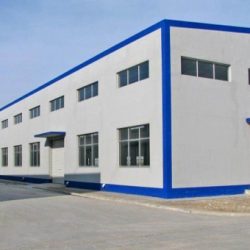
Within the broader construction sector, Pre-Engineered Building (PEB) technology has emerged as a transformative and rapidly expanding segment. PEBs are structures where the key components—primarily steel frames and cladding—are designed and fabricated off-site in a controlled factory environment before being transported to the construction site for assembly.20 This modern method of construction is gaining significant traction in Bangladesh due to its compelling advantages in speed, cost, and quality.
PEB Market Deep Dive
The PEB market in Bangladesh has experienced exponential growth, driven by the country’s rapid industrialization and the expansion of its manufacturing and logistics sectors.
- Market Growth and Size: The market size for PEB structures nearly doubled in the five years leading up to 2022, growing from an estimated base of BDT 2,500 crore in the 2017-18 fiscal year.10 Looking forward, industry experts anticipate further aggressive growth of 40-45% over the next two to three years, a trend directly fueled by the pipeline of government-led mega-projects and continued private sector industrial expansion.10
- Market Structure: The PEB fabrication landscape is robustly competitive, with approximately 100 companies operating in the space. A significant feature of this market is the dominance of domestic firms, which hold a commanding 85-90% market share, showcasing a strong local manufacturing and engineering capability.10
- Key Applications: The versatility of PEB makes it suitable for a wide array of applications, though its adoption has been concentrated in specific sectors. The primary applications are industrial and commercial buildings, including warehouses, factories, showrooms, supermarkets, sports stadiums, and aircraft hangars.22 This aligns with global trends, where the warehouses and industrial segment accounts for the largest share (64%) of the PEB market, driven by the explosive growth of e-commerce and logistics.25 While PEB is extensively used for commercial buildings, its application in residential construction in Bangladesh remains limited, representing a significant untapped market.10
Technical and Commercial Advantages
The rapid adoption of PEB technology is rooted in a clear set of technical and commercial benefits that directly address the core needs of modern construction projects.
- Speed of Construction: The most cited advantage of PEB is the dramatic reduction in project completion time. By manufacturing components in a factory while foundation work proceeds concurrently on-site, PEB can shorten total project schedules by 30-50%.24 A typical five-story building, which might take two years to construct using traditional Reinforced Concrete Cement (RCC) methods, can be completed in just six to seven months with PEB technology.10 This speed translates directly into an earlier realization of revenue for commercial and industrial clients.
- Cost-Effectiveness: PEB structures offer significant cost savings. Industry insiders report that steel buildings cost approximately BDT 250-300 per square foot, compared to BDT 500 per square foot for conventional RCC structures.10 These savings are achieved through several factors:
- Material Efficiency: PEB design utilizes tapered steel sections, placing material only where it is needed according to engineering stress diagrams. This can make a well-designed PEB up to 30% lighter than a conventional steel building, reducing raw material costs.23
- Reduced Labor: As most fabrication is automated and completed off-site, the need for extensive on-site labor is diminished, lowering labor costs.26
- Simpler Foundations: The lighter weight of steel structures reduces the load on the foundation, often allowing for simpler and less expensive foundation designs compared to heavy RCC structures.24
- Structural and Quality Benefits:
- Large Clear Spans: PEB systems can easily achieve large, column-free interior spaces with clear spans of up to 60-90 meters, which is ideal for warehouses, factories, and aircraft hangars.20
- Superior Quality Control: Manufacturing in a factory-controlled environment ensures higher precision and consistent quality compared to on-site fabrication, which is subject to weather and variable site conditions.24
- Seismic Resistance: The inherent flexibility and lower weight of steel frames give PEB structures a higher resistance to seismic forces compared to rigid, heavyweight RCC structures, a critical advantage in an earthquake-prone country like Bangladesh.24
- Expandability and Durability: PEB structures can be easily designed for future expansion in length, width, and height. With high-quality paint and cladding systems, they offer a long, low-maintenance service life, cited to be over 100 years.10
Cost Structure of PEB Projects
Understanding the cost structure of PEB projects is essential for accurate budgeting and financial planning. There is a notable disparity in cost figures cited in various sources, which requires careful clarification.
- Component Cost vs. Turnkey Cost: Some sources cite a very low cost for PEB, in the range of BDT 250-300 per square foot.10 It is critical to recognize that this figure typically represents only the “kit price”—the cost of the prefabricated steel components themselves (e.g., primary frames, secondary members, and sheeting). It does not include the substantial costs associated with the complete project.
- Comprehensive Turnkey Cost: A more realistic and comprehensive cost estimate for a complete steel structure building in Bangladesh ranges from BDT 1,800 to BDT 3,000 per square foot.29 This all-encompassing figure accounts for the entire project lifecycle. A detailed cost breakdown for a one-storied labor shed project further illustrates this point, where the civil works (foundation, floors, etc.) cost BDT 7.6 million, while the PEB structure itself cost only BDT 1.8 million, highlighting that civil works can constitute the bulk of the project expense.30
The total project cost is influenced by several variables, including building size and complexity, design specifications, site location (remote sites incur higher transport costs), market prices for steel, and local permit fees.29
| Cost Component | Percentage of Total Project Cost (Indicative) | Description | Source(s) |
| Material Costs (Steel) | 60-70% of material cost | Primary cost driver. Includes main frames, secondary members (purlins, girts), and cladding. Price is volatile. | 26 |
| Site Preparation & Foundation | 10-15% of total project cost | Includes excavation, leveling, and construction of the concrete foundation. A significant cost component often excluded from basic PEB quotes. | 26 |
| Labor & Installation Expenses | 10-15% of total project cost | Covers the on-site erection of the steel structure and installation of cladding. | 26 |
| Design & Engineering Fees | 5-10% of total project cost | Fees for architectural and structural design services. | 26 |
| Transportation & Logistics | Varies by location | Cost of transporting fabricated components from the factory to the construction site. Higher for remote locations. | 29 |
| MEP & Architectural Finishes | Varies significantly | Costs for Mechanical, Electrical, Plumbing, interior walls, flooring, doors, windows, etc. These are often not included in a basic PEB contract. | N/A |
| Total Turnkey Cost (per sq. ft.) | BDT 1,800 – BDT 3,000 | Represents a realistic, all-inclusive budget figure for a complete, operational steel building. | 29 |
For any stakeholder considering a steel building project, it is imperative to budget using the comprehensive turnkey cost rather than the misleadingly low component cost to avoid significant financial overruns.
V. Competitive Landscape and Key Player Profiles
The steel construction market in Bangladesh is a dynamic ecosystem composed of large-scale steel manufacturers producing the primary raw material and a growing number of specialized firms fabricating steel structures, particularly Pre-Engineered Buildings (PEB). The landscape is competitive, with a mix of established legacy players and agile newcomers.
Market Concentration and Structure
- Steel Manufacturing: The foundational steel production sector is moderately concentrated. The market is led by a few dominant players who have invested heavily in modern technology and large-scale production facilities. The top three producers—Abul Khair Steel, BSRM, and KSRM—collectively supply over 50% of the total domestic demand.6 Beyond these leaders, there are approximately 40 large and medium-sized companies and over 200 smaller, often manual, re-rolling mills that cater to various market segments.5
- PEB Fabrication: The PEB sector, while newer, has developed a robust domestic manufacturing base. The market comprises around 100 companies, a significant number of which have entered in the last five years.10 A key characteristic of this segment is the strong position of local firms, which command an impressive 85-90% of the market share, indicating a successful transfer of technology and development of local expertise.10
Profiles of Leading Steel Manufacturers
The leading steel manufacturers are not just suppliers; they are integral partners in the nation’s most significant infrastructure projects, possessing the capacity and quality certifications to meet international standards.
| Company Name | Type | Est. Annual Capacity (MT) | Key Specializations & Technologies | Notable Projects/Clients | Source(s) |
| BSRM Group | Steel Mfr. | 2.4 Million (post-expansion) | High-strength rebar (40mm, 50mm), eco-friendly production, turnkey re-rolling mills (Danieli). | Padma Bridge, Rooppur Nuclear Power Plant, Dhaka Elevated Expressway, Hatirjheel Project. | 31 |
| KSRM | Steel Mfr. | 800,000 | Deformed bars (8mm-50mm), European POMINI technology for automated rolling mills. | Padma Bridge, Karnaphuli Tunnel, Metro Rail, Matarbari Power Plant. | 6 |
| Abul Khair Steel (AKS) | Steel Mfr. | 1.4 Million | Leading producer by volume, wide range of steel products. | Major supplier to government and private sector projects. | 6 |
| PEB Steel Alliance Ltd. (PEBSAL) | PEB Fab. | 36,000 | Design, fabrication, and erection of PEBs for various sectors. Complies with international codes (AISC, MBMA). | Bashundhara Group, Square Pharmaceuticals, ACI HealthCare, BRB Cables. | 22 |
| Sarker Steel Limited | PEB Fab. | 60,000 | Prefabricated steel structures, design using Tekla Structure/AutoCAD, services multiple industries. | Serves chemical, textile, food & beverage, and construction industries. | 37 |
| Univend Structural Steel Ltd. | PEB Fab. / EPC | N/A | Full EPC contracting, metal and civil construction solutions, design compliance with updated building codes. | KCL Spinning, Famkam Printing, Madrasha projects. | 39 |
| Metal Core Limited | PEB Fab. | 12,500 (Primary & Secondary Steel) | Industrial sheds, fire exit stairs, pre-fabricated tubular structures, design consultancy. | Green Bio Technology, Nitol Motors, Stamford University. | 40 |
- BSRM Group (Bangladesh Steel Re-rolling Mills): As the country’s pioneer, established in 1952, BSRM is the largest and one of the most technologically advanced steel manufacturers.32 The company is aggressively expanding its capacity, with a new $217 million plant in Mirsarai set to boost its total production to 2.4 million tons annually and increase its market share to an estimated 34%.33 BSRM has been the steel partner for nearly every landmark project in the country, including the Padma Bridge, Rooppur Nuclear Power Plant, and numerous flyovers and expressways, often producing custom-grade steel to meet stringent project requirements.16 The company has also invested in eco-friendly technology, including a plant with advanced air pollution control and water recycling systems.45
- KSRM (Kabir Steel Re-rolling Mills): A concern of the Kabir Group of Industries, KSRM is another dominant force in the market, with an annual production capacity of 800,000 tonnes, sufficient to meet 15-20% of the nation’s demand.35 The company prides itself on using state-of-the-art European POMINI technology in its automated rolling mills to produce high-quality deformed bars.34 Like BSRM, KSRM is a key supplier to mega-projects, having contributed to the Padma Bridge, Karnaphuli Tunnel, Metro Rail, and Dhaka Elevated Expressway.35
- Abul Khair Steel (AKS): In terms of sheer volume, Abul Khair Steel leads the industry with a production capacity of 1.4 million metric tons.6 Along with BSRM and KSRM, it forms the top tier of manufacturers that dominate the market for both billet production and finished steel products.7
Profiles of Leading PEB Fabricators
The PEB sector features a range of companies offering specialized design, fabrication, and erection services.
- PEB Steel Alliance Ltd. (PEBSAL): Established in 2006, PEBSAL is one of the country’s first state-of-the-art PEB manufacturers.22 Operating from a 120,000 sq. ft. factory, it has an annual capacity of 36,000 MT and has successfully delivered over 955 projects.22 The company specializes in the complete lifecycle of PEB projects—from design compliant with international codes (AISC, MBMA, BNBC) to fabrication and erection. Its client portfolio includes major domestic corporations like Bashundhara Group, Square Pharmaceuticals, and ACI HealthCare, reflecting its strong reputation in the industrial and commercial sectors.22
- Univend Structural Steel Ltd.: Positioning itself as an Engineering, Procurement, and Construction (EPC) contracting firm, Univend provides comprehensive solutions for both metal and civil construction.39 Its team brings international experience from associations with firms like Zamil Steel and Bonatti S.p.A. The company offers a full suite of services, including architectural and structural design, civil works, erection, and interior solutions.39 Its ongoing projects include industrial facilities for clients like KCL Spinning and Famkam Printing.41
- Sarker Steel Limited: Established in 2010, Sarker Steel has a significant production capacity of 60,000 MT per year.38 The company utilizes advanced design software like Tekla Structure and AutoCAD to provide precision-detailed drawings compliant with AISC and other codes.37 It serves a multitude of industries, including chemicals, textiles, food and beverage, and construction, offering a complete range of services from design to erection.37
- Other Key Players: The competitive field also includes firms like Metal Core Limited, which specializes in industrial sheds, pre-fabricated tubular structures, and design consultancy, with an annual capacity of 7,500T of primary steel structures 40;
ALM Steel Building Technology Ltd., operating since 2001 and ISO 9001:2008 certified 47; and
Forever Engineering Ltd., which emphasizes a blend of engineering expertise and innovative design for both commercial and residential steel buildings.48
VI. Technical and Regulatory Deep Dive
The choice of construction methodology and adherence to regulatory standards are paramount in Bangladesh, a country facing both rapid development needs and significant natural hazard risks. This section provides a comparative analysis of dominant construction types and examines the critical provisions of the national building code that govern steel structures.
Steel vs. RCC vs. Composite: A Definitive Comparison
The decision between using a steel frame, traditional Reinforced Concrete Cement (RCC), or a steel-concrete composite system involves a trade-off between cost, speed, durability, and structural performance, particularly under seismic loads.
| Feature | Steel Frame (PEB/Conventional) | Reinforced Concrete Cement (RCC) | Steel-Concrete Composite | Source(s) |
| Construction Speed | Fastest. 30-50% time reduction. 6-8 week delivery. | Slowest. Requires on-site formwork and curing. 22-28 week delivery for components. | Fast. Faster than RCC due to use of steel frame and decking. | 24 |
| Initial Cost | Lower than RCC. Can be 30% cheaper per sq. meter. | Moderate for low-rise. Becomes uneconomical for high-rises due to material volume. | Most Economical for High-Rise. Cheaper than both steel and RCC for buildings >15 stories. | 24 |
| Weight & Foundation | Lightest. Approx. 60% lighter than concrete. Requires simpler, less costly foundations. | Heaviest. Massive structures require extensive and costly foundations. | Lighter than RCC. Reduced dead load leads to foundation cost savings. | 28 |
| Seismic Performance | Good to Excellent. Lightweight and ductile, resulting in lower seismic forces and better energy dissipation. | Poor to Fair. Heavy and rigid, leading to high seismic weight and brittle failure modes if not properly detailed. | Excellent. Combines steel’s ductility with concrete’s stiffness and damping. Considered the best option for seismic resistance. | 28 |
| Ductility | High. Can undergo large deformations without collapse. | Low. Prone to brittle failure. | High. Steel component provides excellent ductility. | 49 |
| Ideal Application | Low to medium-rise industrial, warehouses, commercial buildings with large clear spans. | Low-rise residential and commercial buildings (up to 15 stories). | Medium to high-rise buildings (>15 stories), especially in high seismic zones. | 22 |
- Cost and Speed Dynamics: For low to medium-rise industrial and commercial applications, steel structures, particularly PEB, are demonstrably faster and more cost-effective. A study comparing construction costs found steel buildings could be built for BDT 250-300 per square foot versus BDT 500 for RCC.10 However, this dynamic shifts dramatically with building height. For structures taller than 15 stories, the sheer volume of material required makes RCC uneconomical due to its massive dead load and the extensive formwork needed.50 In this high-rise category, steel-concrete composite construction emerges as the most cost-effective solution. A detailed analysis for a multi-story car park found the composite option to be 25% cheaper than RCC and 18% cheaper than a pure steel structure.49
- Structural and Seismic Performance: The performance under seismic loading is a critical differentiator.
- RCC structures are heavy and rigid. Their large mass generates significant inertia forces during an earthquake, and they are prone to brittle failure if not meticulously detailed for ductility.49
- Steel structures are lightweight and ductile. Their lower mass results in smaller seismic forces, and their ability to deform without fracturing allows them to dissipate earthquake energy effectively.24
- Composite structures offer a synergistic combination of the best attributes of both materials. The steel frame provides ductility and tensile strength, while the concrete encasement or slab provides compressive strength, stiffness, and fire resistance.28 Multiple comparative studies conclude that composite frames demonstrate the best overall seismic performance, with superior load-carrying capacity and ductility, making them the optimal choice for high-rise buildings in Bangladesh’s seismic zones.49
Navigating the Bangladesh National Building Code (BNBC) 2020
The BNBC 2020, gazetted in February 2021, is the legally binding regulatory document that establishes minimum standards for all building construction in Bangladesh.54 It represents a significant modernization of the country’s construction regulations, replacing the previous 2006 code. Part 6 of the code is dedicated to Structural Design, with Chapter 10 specifically addressing Steel Structures.57 While the full text of the chapter is not available in the provided research, analysis of related documents reveals its key provisions and impacts.
- Seismic Design Provisions (A Major Overhaul): The most significant changes in BNBC 2020 relate to seismic design, reflecting a greater understanding of the country’s tectonic risks.
- New Seismic Zoning: The code updates the national seismic map, dividing the country into four zones of increasing intensity (Zone 1 to Zone 4), compared to three in the previous code. This recalibration has increased the seismic zone coefficient (Z)—a measure of peak ground acceleration—in many areas, with values now ranging from 0.12 to 0.36.59 For example, Dhaka is now in Zone 2 (
Z=0.20), while Sylhet is in Zone 4 (Z=0.36).59 - High vs. Low Seismic Applications: A critical new concept is the distinction between low and high seismic applications. Any structure with a Response Modification Factor (R) greater than 3 is considered a “high seismic application” and must comply with stringent seismic detailing provisions.62 The
R factor depends on the type of structural system used (e.g., Ordinary Moment Frame – OMF, Intermediate Moment Frame – IMF, Special Moment Frame – SMF). The determination requires a proper analysis based on the building’s location, subsoil data, and framing system choice.62 In practice, this means almost all significant steel structures fall under high seismic application rules. - Impact on Design and Cost: These stricter seismic provisions have a direct and substantial impact. The higher design forces mandate larger and more robust structural members and more complex connection detailing. Comparative studies between BNBC 2006 and BNBC 2020 show that the new code results in a 27.5% higher base shear and requires significantly more steel reinforcement—up to a 30% increase for columns and 25% for beams. This enhances safety but also leads to notable increases in construction costs.63
- Fire Safety and Unprotected Steel Structures: BNBC 2020 provides specific guidelines for fire safety in steel buildings.
- Unprotected Steel: The code permits the construction of unprotected, non-combustible steel buildings (like typical PEBs) up to a maximum of 3 stories or 11 meters in height for moderate hazard occupancies, such as garment factories.64
- Clearance and Fire Rating Requirements: This allowance is contingent on meeting strict site requirements. For example, to have a 0-hour fire resistance rating on exterior walls, a minimum clearance of 4.5 meters is required on the rear and side property lines. Furthermore, the sum of the front open space and the front road width must meet specific minimums (e.g., at least 13.6 meters for an 11m tall building).64 If these clearances are not met, or for buildings with mixed occupancies, fire resistance ratings of 1 to 3 hours are mandated for elements like floor slabs, fire separation walls, and exit corridors.64
The BNBC 2020 framework elevates safety standards to be more in line with international codes like ASCE 7. For developers and builders, this necessitates a more rigorous design process, greater reliance on qualified engineering professionals, and higher construction budgets. It effectively raises the barrier to entry, favoring larger, more professional organizations that can manage the increased technical and financial requirements.
VII. Industry Challenges, Future Trends, and Strategic Outlook
While the fundamental drivers for steel construction in Bangladesh are strong, the industry operates within a complex and often challenging environment. Navigating these challenges while capitalizing on emerging trends will be the key to sustained growth and profitability for all stakeholders.
Critical Industry Challenges
The steel and construction sectors are currently grappling with a potent mix of macroeconomic, regulatory, and operational hurdles.
- Macroeconomic Instability and Supply Chain Disruption: This is the most pressing challenge. The industry’s heavy dependence on imported scrap metal (over 85%) makes it acutely vulnerable to foreign exchange volatility.5 The ongoing US dollar crisis has severely constrained the ability of manufacturers to open Letters of Credit (LCs), leading to raw material shortages and supply chain paralysis.5 This is compounded by a sharp increase in the cost of finance, with lending rates rising from 9% to 13.5%, and government-mandated hikes in power and gas tariffs, which have inflated operational expenses by as much as 65% for some units.5
- Policy and Regulatory Volatility: The business environment is further destabilized by frequent and often unforeseen changes to government policies, including customs laws, income tax regulations, and Value Added Tax (VAT).18 This unpredictability creates significant “interest rate risk” and makes long-term capital investment planning difficult for an industry that is inherently capital-intensive.18 Inaccurate project estimations and delays in government mega-projects also disrupt anticipated production schedules and impact the profitability of steel mills.18
- Skills Gap and Technical Knowledge Deficit: A significant obstacle to adopting more advanced construction methods is the shortage of skilled labor.1 There is a recognized lack of familiarity and insufficient knowledge on the design and execution of modern systems like prefabrication among many local engineers, architects, and contractors.66 This skills gap hinders the industry’s ability to improve efficiency and fully leverage the benefits of new technologies.
Future Growth Horizons and Trends
Despite the challenges, several powerful trends are shaping a promising future for the steel construction sector, pointing towards opportunities in sustainability, technology, and market diversification.
- The Green Building Imperative: Sustainability is rapidly moving from a niche concept to a mainstream requirement in Bangladesh’s construction industry. This shift is driven by both global climate pressures and local resource constraints, particularly on energy and water.66
- LEED Certification: Bangladesh has become a global leader in sustainable industrial construction, boasting 237 LEED (Leadership in Energy and Environmental Design) certified ready-made garment (RMG) factories as of 2025—the highest number in the world.66 These green factories have demonstrated tangible economic benefits, achieving energy savings of up to 50% and water savings of 30% compared to traditional buildings.66
- Market Demand: The trend is expanding beyond the industrial sector. Over 50% of new commercial buildings in Dhaka are now LEED or BNBC-compliant, and the demand for eco-friendly residential apartments grew by 35% between 2020 and 2025.66 Green buildings command higher property values and attract environmentally conscious corporate and foreign clients.66
- Key Technologies: The green building movement is promoting the adoption of solar power integration (rooftop panels), smart energy management systems, rainwater harvesting, and the use of sustainable materials like recycled concrete and compressed stabilized earth blocks (CSEB).66
- Adoption of Advanced Construction Technology: The industry is gradually embracing technologies that promise greater efficiency and quality.
- Prefabrication and Modular Construction: PEB is the most prominent example of this trend. The benefits of off-site fabrication—including faster installation, reduced project costs, higher quality, and lower construction waste—are well-recognized.67 This method can reduce construction time by up to 50%.26
- Building Information Modeling (BIM): The adoption of BIM is slowly increasing, allowing for more accurate and efficient design, visualization, and project management, which helps identify and resolve potential issues before construction begins.1
- Emerging Technologies: Technologies like 3D printing are on the horizon, with the potential to further accelerate construction and minimize waste.66
- Market Diversification and Value Addition: There is a strategic shift towards diversifying product offerings and tapping into new markets.
- High-Value Steel Products: Manufacturers are looking to move beyond basic construction steel to produce higher-value-added products for growing sectors like shipbuilding and automotive.18
- Residential Steel Construction: The use of steel framing and PEB technology in residential buildings remains a largely untapped market in Bangladesh, in contrast to its widespread use for commercial and industrial structures. This presents a significant long-term growth opportunity.10
Strategic Outlook and Recommendations
For stakeholders looking to engage with or invest in Bangladesh’s steel construction sector, a nuanced strategy is required to balance the immense growth potential against the significant operational risks.
- For Investors (Foreign and Domestic):
- Acknowledge and Mitigate Risk: The primary risks are macroeconomic (currency volatility, inflation) and regulatory. A successful investment strategy must include robust financial models that account for currency hedging and potential policy shifts.
- Focus on High-Growth Niches: The most promising segments are industrial PEB (driven by economic zones and export-oriented manufacturing) and green commercial buildings (driven by corporate demand and higher asset values).
- Prioritize Strong Local Partnerships: Navigating the country’s bureaucratic landscape and complex supply chains requires deep local knowledge. Partnering with established, reputable local firms is essential for risk mitigation and operational success.
- For Construction Firms and Fabricators:
- Invest in Technology and Training: To stay competitive, firms must invest in modern technologies like BIM and advanced fabrication machinery. Equally important is investing in human capital by training engineers, architects, and workers in the design and execution of these advanced systems.
- Develop Green Building Expertise: Specializing in green building standards like LEED and the local BEEER system is no longer a niche but a key competitive differentiator. Firms that can deliver certified green buildings will be at a distinct advantage in attracting premium clients.
- Explore Market Diversification: PEB manufacturers should actively research and develop cost-effective solutions for the residential market. Steel manufacturers should pursue value-added products to reduce dependence on the cyclical construction market.
The most compelling strategic opportunity for the next decade lies at the convergence of these key trends. A firm that can master the delivery of sustainable, technologically advanced, pre-engineered buildings will be offering a solution that is simultaneously faster to build, more cost-effective to operate, holds a higher asset value, and aligns with national and global sustainability goals. This combined value proposition is perfectly tailored to the needs of the industrial, commercial, and logistics sectors that are fueling Bangladesh’s economic ascent, marking it as the definitive strategic sweet spot for the future of construction in the country.
Works cited
- Bangladesh Construction Market Analysis Report 2025: Market to Grow by a CAGR of 6.42 to 2033, Driven by Government Incentives, Popularity of Virtual Assistants, and Strategic Partnerships, accessed July 15, 2025, https://www.archivemarketresearch.com/reports/bangladesh-construction-market-869106
- Bangladesh Construction – Market Share Analysis, Industry Trends & Statistics, Growth Forecasts (2025 – 2030), accessed July 15, 2025, https://www.researchandmarkets.com/reports/5026176/bangladesh-construction-market-share-analysis
- Bangladesh Construction Industry Market Size & Forecast – by Value and Volume (area and units), 40+ Market Segments Across Residential, Commercial, Industrial, Institutional, Infrastructure Construction, City Level Construction by Value and Construction C – MarketResearch.com, accessed July 15, 2025, https://www.marketresearch.com/ConsTrack360-v4128/Bangladesh-Construction-Size-Forecast-Value-40786908/
- Bangladesh Construction Industry Databook 2025: Residential, Commercial, Industrial, Institutional, Infrastructure Construction, City Level Market Size & Forecast by Value & Volume 2020-2029 – ResearchAndMarkets.com – Business Wire, accessed July 15, 2025, https://www.businesswire.com/news/home/20250404467964/en/Bangladesh-Construction-Industry-Databook-2025-Residential-Commercial-Industrial-Institutional-Infrastructure-Construction-City-Level-Market-Size-Forecast-by-Value-Volume-2020-2029—ResearchAndMarkets.com
- Steel sector steering rough course – The Financial Express, accessed July 15, 2025, https://today.thefinancialexpress.com.bd/special-issues/state-of-real-estate-allied-industries/steel-sector-steering-rough-course-1711470846
- Steel Re-rolling Industry of Bangladesh: Growth and Future Prospects, accessed July 15, 2025, https://businessinspection.com.bd/steel-re-rolling-industry-of-bangladesh/
- Steel industry thriving on economic dev, mega projects – The National Financial Portal, accessed July 15, 2025, https://thefinancetoday.net/article/business/13768/Steel-industry-thriving-on-economic-dev-mega-projects
- THE STEEL INDUSTRY OF BANGLADESH: CONSTRUCTING A COMPACT FOUNDATION OF GROWTH AMIDST ECONOMIC INSTABILITY – IDLC, accessed July 15, 2025, https://idlc.com/mbr/images/public/2fdDh7DVanCKDSPjMhvjxq.pdf
- Infrastructure projects will spark steel boom in Bangladesh, BSRM’s Sengupta says, accessed July 15, 2025, https://www.fastmarkets.com/insights/infrastructure-projects-will-spark-steel-boom-in-bangladesh/
- Steel structure makers boom with mega projects | The Business Standard, accessed July 15, 2025, https://www.tbsnews.net/bangladesh/infrastructure/steel-structure-makers-boom-mega-projects-53344
- List of megaprojects in Bangladesh – Wikipedia, accessed July 15, 2025, https://en.wikipedia.org/wiki/List_of_megaprojects_in_Bangladesh
- (PDF) The Padma Multipurpose Bridge, Bangladesh’s Longest Bridge, Presents Unique Engineering Challenges and an Impressive Outcome – ResearchGate, accessed July 15, 2025, https://www.researchgate.net/publication/372307743_THE_PADMA_MULTIPURPOSE_BRIDGE_BANGLADESH’S_LONGEST_BRIDGE_PRESENTS_UNIQUE_ENGINEERING_CHALLENGES_AND_AN_IMPRESSIVE_OUTCOME
- The design of Padma Multipurpose Bridge – challenges and solutions in design of the river spans – IABSE-JSCE Conference on, accessed July 15, 2025, http://iabse-bd.org/old/97.pdf
- Padma Bridge | AECOM, accessed July 15, 2025, https://aecom.com/projects/padma-bridge/
- Padma Multipurpose Bridge, Bangladesh, accessed July 15, 2025, https://www.crecg.com/zgztywz/the_belt_and_road/bri_projects/2025021110100831454/index.html
- Padma Bridge shows country’s manufacturing might | The Business Standard, accessed July 15, 2025, https://www.tbsnews.net/bangladesh/infrastructure/padma-bridge-shows-countrys-manufacturing-might-172711
- Bangladesh steel industry faces challenges – Steel Radar, accessed July 15, 2025, https://www.steelradar.com/en/haber/bangladesh-steel-industry-faces-challenges/
- Steel Industry Insights of Bangladesh, accessed July 15, 2025, https://www.csrm.com.bd/media/knowledgebase/steel-industry-insights
- Building costs surge 20% in a year, squeezing real estate | The …, accessed July 15, 2025, https://www.tbsnews.net/economy/corporates/building-costs-surge-20-year-squeezing-real-estate-956601
- Pre-Engineered Building – Find the Transformer Company in Bangladesh, accessed July 15, 2025, https://sylvantechltd.com/peb-products/c416dfd6-263d-4740-acf8-0045470f6c76/pre-engineered-building
- Pre Engineered Building Manufacturers in Bangladesh | VGS Solar & Building Systems, accessed July 15, 2025, https://www.vgssbs.com/pre-engineered-building-bangladesh.html
- PEBSAL – We Stand Strong, accessed July 15, 2025, https://pebsteelalliance.com/
- PEB Systems – Masud Steel, accessed July 15, 2025, https://masudsteel.com/web/product/peb
- Pre Engineered Buildings – Alpha Steel Products Bangladesh, accessed July 15, 2025, https://alphasteelproductsbd.com/products/pre-engineered-buildings-21
- Pre-Engineered Buildings Market: Industry Analysis and Forecast, accessed July 15, 2025, https://www.maximizemarketresearch.com/market-report/global-pre-engineered-buildings-market/30843/
- PEB Structure Construction Cost: Key Insights for Budget-Friendly Steel Buildings, accessed July 15, 2025, https://www.samanportable.com/peb-structure-construction-cost/
- Pre-Engineered Building System (PEB) of Bangladesh: Volume-I | PDF – Scribd, accessed July 15, 2025, https://www.scribd.com/document/483963817/Pre-Engineered-Building-system-PEB-of-Bangladesh-Vol-I
- Comparision between steel structure and reinforced concrete structure, accessed July 15, 2025, https://bmbsteel.com.vn/en/comparision-between-steel-structure-and-reinforced-concrete-structure
- Steel Structure Building Manufacturers In Bangladesh | Forever Engineering Ltd, accessed July 15, 2025, https://foreverengineeringltd.com/steel-structure-building-manufacturers-in-bangladesh/
- One Story Shed Building 1 I. Civil Works 7592449.00 2 II. Pre-Engineered Steel Structure 1796997.72 | PDF | Screw – Scribd, accessed July 15, 2025, https://www.scribd.com/document/472189158/Civil-of-AWAL
- Landmark Projects – BSRM, accessed July 15, 2025, https://bsrm.com/landmark-projects/
- BSRM – Wikipedia, accessed July 15, 2025, https://en.wikipedia.org/wiki/BSRM
- Bangladeshi company BSRM launches new plant – SteelRadar, accessed July 15, 2025, https://www.steelradar.com/en/bangladeshi-company-bsrm-launches-new-plant/
- KSRM: Home – The ONE Steel Maker, accessed July 15, 2025, https://ksrm.com.bd/
- Why KSRM Steel is the Best Choice for Your Construction Projects, accessed July 15, 2025, https://ksrm.com.bd/2025/04/29/why-ksrm-steel-is-the-best-choice-for-your-construction-projects/
- Pebsal Factory, accessed July 15, 2025, https://pebsteelalliance.com/pebsal-factory/
- Sarker Steel LTD | PDF – Scribd, accessed July 15, 2025, https://www.scribd.com/doc/252812795/Sarker-Steel-Ltd
- SARKER STEEL LIMITED Office Address : Planners Tower (18th …, accessed July 15, 2025, http://sbmabd.org/wp-content/uploads/2019/11/Sarker-Steel-Ltd..pdf
- Best Steel & Construction Company in Bangladesh – Univend Steel, accessed July 15, 2025, https://univendsteel.com/
- Steel Structure Building Manufacturers in Bangladesh – Directorsteelstructure, accessed July 15, 2025, https://www.directorsteelstructure.com/steel-structure-building-manufacturers-in-bangladesh/
- Ongoing Project – Univend Structural Steel Ltd, accessed July 15, 2025, https://univendsteel.com/our-projects/ongoing-project/
- What We Do – MetalCoreLtd. – Metal Core Limited, accessed July 15, 2025, https://metalcore.com.bd/what-we-do/
- Metal Core Limited, accessed July 15, 2025, https://metalcore.com.bd/
- Steel industry in Bangladesh – Wikipedia, accessed July 15, 2025, https://en.wikipedia.org/wiki/Steel_industry_in_Bangladesh
- BSRM opens eco-friendly steel plant – SEAISI, accessed July 15, 2025, https://www.seaisi.org/details/26124?type=news-rooms
- BSRM Inaugurates New Steel Plant: A Milestone in Steel Manufacturing, accessed July 15, 2025, https://bsrm.com/news/bsrm-inaugurates-new-steel-plant-a-milestone-in-steel-manufacturing/
- ALM Steel Building Technology Ltd., accessed July 15, 2025, https://www.alm.com.bd/
- Premier Steel Building Construction Company in Bangladesh – Forever Engineering Ltd, accessed July 15, 2025, https://foreverengineeringltd.com/steel-building-construction-company-in-bangladesh/
- (PDF) Cost Analysis of RCC, Steel and Composite Multi-Storied Car Parking Subjected to High Wind Exposure in Bangladesh – ResearchGate, accessed July 15, 2025, https://www.researchgate.net/publication/335819040_Cost_Analysis_of_RCC_Steel_and_Composite_Multi-Storied_Car_Parking_Subjected_to_High_Wind_Exposure_in_Bangladesh
- Cost analysis of steel concrete composite structures in Bangladesh – ResearchGate, accessed July 15, 2025, https://www.researchgate.net/publication/259601882_Cost_analysis_of_steel_concrete_composite_structures_in_Bangladesh
- Review on Comparison between Steel, RCC and Composite Structure – IJRASET, accessed July 15, 2025, https://www.ijraset.com/research-paper/comparison-between-steel-rcc-and-composite-structure
- seismic performance of composite, rc and steel frame-a comparative …, accessed July 15, 2025, http://iccesd.com/proc_2024/Papers/781.pdf
- Cost analysis of RCC, steel and composite multi-storied car parking subjected to high wind exposure in Bangladesh – SafetyLit, accessed July 15, 2025, https://www.safetylit.org/citations/index.php?fuseaction=citations.viewdetails&citationIds[]=citjournalarticle_581432_27
- Bangladesh-National-Building-Code-2020.pdf – Metropolitan Chamber of Commerce & Industry, Dhaka (MCCI), accessed July 15, 2025, https://mccibd.org/wp-content/uploads/2021/09/Bangladesh-National-Building-Code-2020.pdf
- Bangladesh – IISEE, accessed July 15, 2025, https://iisee.kenken.go.jp/worldlist/Web/6_Bangladesh.htm
- Bangladesh National Building Code 2020 | PDF | Regulatory Compliance – Scribd, accessed July 15, 2025, https://www.scribd.com/document/498861646/Bangladesh-National-Building-Code-2020
- BNBC 2020 | PDF DOWNLOAD – Compliance Bangladesh, accessed July 15, 2025, https://compliancebangladesh.com/bnbc-2020-pdf-download/
- Bnbc-2020-Part-6-Structural Design 1 | PDF | Deep Foundation …, accessed July 15, 2025, https://www.scribd.com/document/651246549/BNBC-2020-PART-6-STRUCTURAL-DESIGN-1
- A Comparative Study on Different Seismic Zone in Bangladesh Based on BNBC-2020, accessed July 15, 2025, https://www.researchgate.net/publication/373987408_A_Comparative_Study_on_Different_Seismic_Zone_in_Bangladesh_Based_on_BNBC-2020
- New Seismic Design Provisions in BNBC-2020: A Quick Appraisal – ResearchGate, accessed July 15, 2025, https://www.researchgate.net/publication/383577829_New_Seismic_Design_Provisions_in_BNBC-2020_A_Quick_Appraisal
- 7thInternational Conference on Civil Engineering for Sustainable Development (ICCESD2024), Bangladesh, accessed July 15, 2025, http://www.iccesd.com/proc_2024/Papers/95.pdf
- BNBC 2020 Steel Structure Design | PDF – Scribd, accessed July 15, 2025, https://www.scribd.com/document/735880621/BNBC-2020-steel-structure-design
- (PDF) A Comparative Study of BNBC 2006 and BNBC 2020 on the Cost Impact and Lateral Loads of the RC Frame Structure – ResearchGate, accessed July 15, 2025, https://www.researchgate.net/publication/384015003_A_Comparative_Study_of_BNBC_2006_and_BNBC_2020_on_the_Cost_Impact_and_Lateral_Loads_of_the_RC_Frame_Structure
- 07 Technical guidance on designing unprotected steel structure, accessed July 15, 2025, https://dev.rsc-bd.org/wp-content/uploads/2025/02/Technical-Guidance-on-Designing-Unprotected-Steel-Structure.pdf
- 07 Technical guidance on designing unprotected steel structure, accessed July 15, 2025, https://rsc-bd.org/wp-content/uploads/2025/02/Technical-Guidance-on-Designing-Unprotected-Steel-Structure.pdf
- Green Building Standards in Bangladesh | Regulations & Trends, accessed July 15, 2025, https://starpathholdings.com/navigating-green-building-standards-in-bangladesh/
- (PDF) ADOPTION OF PREFABRICATED CONSTRUCTION IN BANGLADESH: PROSPECTS AND OBSTACLES – ResearchGate, accessed July 15, 2025, https://www.researchgate.net/publication/358594118_ADOPTION_OF_PREFABRICATED_CONSTRUCTION_IN_BANGLADESH_PROSPECTS_AND_OBSTACLES
- Green building in Bangladesh – Wikipedia, accessed July 15, 2025, https://en.wikipedia.org/wiki/Green_building_in_Bangladesh
- Future trends in pre-engineered steel building design and construction – BMB Steel, accessed July 15, 2025, https://bmbsteel.com.vn/en/future-trends-in-pre-engineered-steel-building-design-and-construction